
Marketing Will Help More People Than Your Service Ever Will
Jun 16, 2026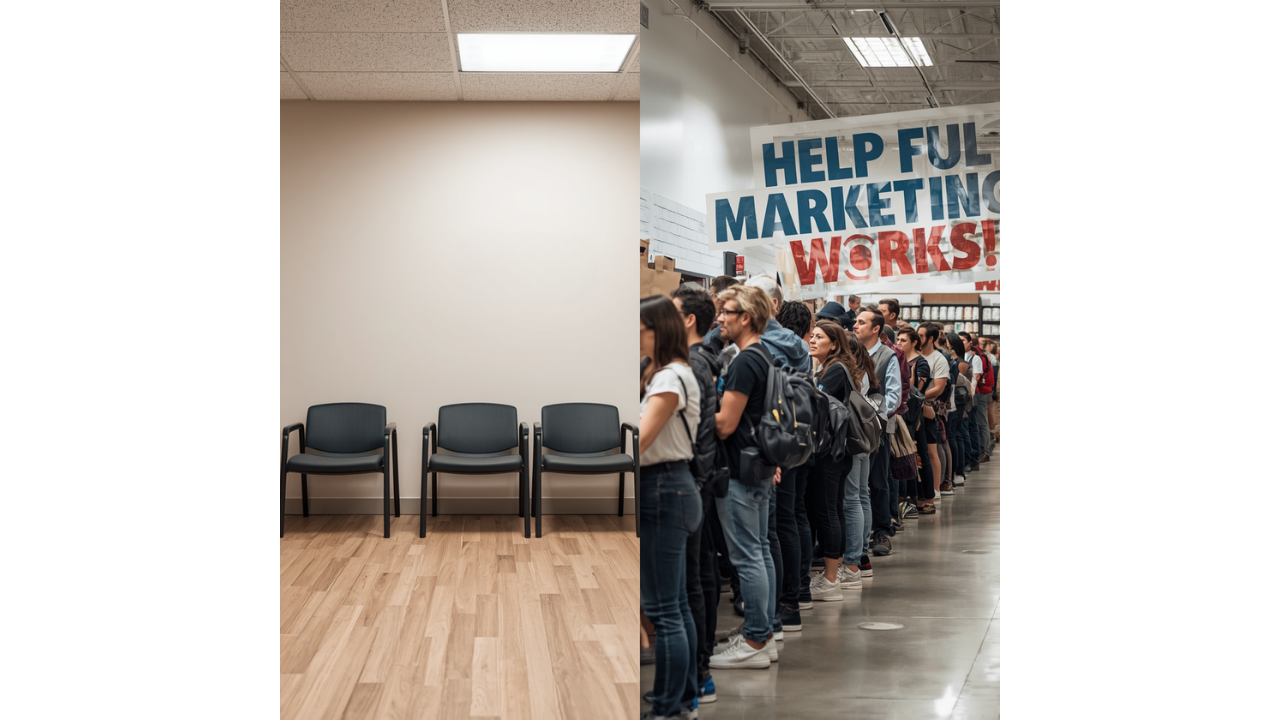
Point
Most shop owners think marketing is simply how they get more customers.
It is not.
Marketing is how a shop helps people before they are ready to buy.
A service can only help the person who books the appointment, shows up, and pays the invoice. Marketing can help hundreds of people make better decisions before they ever talk to the shop.
That is not hype. That is leadership.
A simple post about brake noise, timing chain symptoms, oil leaks, or why cheap parts cost more later can save someone stress, money, and a bad repair decision.
This week’s story is about a shop owner who stopped selling and started teaching. The lesson is simple: when marketing helps first, sales get easier later.
Story
A European repair shop owner had a problem that probably sounds familiar.
The shop was good. The technicians were sharp. The inspections were solid. The lobby was clean. The comebacks were low.
But the phone was inconsistent.
Some weeks were packed. Other weeks felt like somebody had turned off the faucet.
The owner’s first thought was, “The shop needs more marketing.”
Fair.
But what he really meant was, “The shop needs more people to call.”
So he tried the normal stuff.
BMW service near me.
We fix Mercedes.
Schedule today.
Call now.
Nothing was wrong with those messages, but they sounded like every other shop in town.
They were not helpful. They were just available.
Then he looked at the questions customers were already asking at the counter.
“Can this car keep being driven with an oil leak?”
“Why is the check engine light on if the car feels fine?”
“Are brakes really needed today?”
“Why is this repair so expensive?”
“Is this car still worth fixing?”
That list was gold.
Not because it made the shop look smart, but because those were the exact questions people were typing, thinking, and worrying about before they became customers.
So the shop changed the plan.
Instead of posting only promotions, the shop started posting answers.
One post explained three levels of oil leaks:
Level 1: Damp area. Monitor it.
Level 2: Drips on the ground. Schedule soon.
Level 3: Burning smell or low oil warning. Stop driving and call.
Another post explained why a $900 brake job is not the same as a $399 brake special.
Another showed a 30-second video of a worn control arm bushing and explained, “This is why the car feels loose over bumps.”
Nothing fancy.
No dancing.
No giant production.
Just clear answers from a shop that knew what it was doing.
Within a few weeks, something changed.
Customers started saying, “That post explained what was happening.”
New callers were better informed. They asked better questions. They trusted the inspection process faster.
The owner was not fighting price as hard because people understood the “why” before they saw the estimate.
Here is the simple math.
A great repair might help one customer today.
A helpful post might be seen by 500 local drivers.
Even if only 2% remember it, that is 10 people who now trust the shop a little more.
Do that every week for a year, and the shop is not just marketing.
It is building a local trust bank.
That is the part many owners miss.
Marketing is not separate from service.
Marketing is service at scale.
It teaches the person who cannot book today.
It protects the person who is about to make a bad decision.
It lowers fear for the person who does not understand cars.
It gives the future customer a reason to choose the shop before the car breaks.
The shop did not become louder.
It became more useful.
And useful wins.
Lesson
Stop thinking of marketing as begging for attention.
Start treating it like a free first service.
Here is the 5-minute rule: answer the questions the best customers already ask.
Step 1: Write down 10 real customer questions.
Use questions from phone calls, inspections, estimates, and checkout conversations. Real questions beat clever ideas.
Step 2: Turn each question into one helpful post.
Keep it simple. “Can this car be driven with an oil leak?” is better than “Comprehensive fluid system education.”
Step 3: Teach the danger, decision, and next step.
Tell people what it means, when it matters, and what to do next. That builds trust.
Step 4: Show proof when possible.
Use a photo, short video, worn part, inspection note, or quick story from the shop. Specific beats polished.
Step 5: Repeat weekly.
One useful post per week for 52 weeks can make the shop the place people already trust before they need it.
Before posting, run it through this quick check:
Does this answer a real customer question?
Can a non-car person understand it?
Does it reduce fear or confusion?
Does it help someone make a smarter decision?
Would this be said at the service counter?
When the answer is yes, that is not just content.
That is trust being built in public.
Want to turn helpful marketing into consistent shop growth? Join Go Fuel Coaching at gofuelcoaching.com.
If you’re tired of feeling like your business is running you instead of the other way around…
👉 Book your free strategy call here — together, we’ll uncover the simple shifts that can take your business from good to exceptional.