
“Our Fears are Always More Numerous than our Dangers” - Seneca
Jul 07, 2026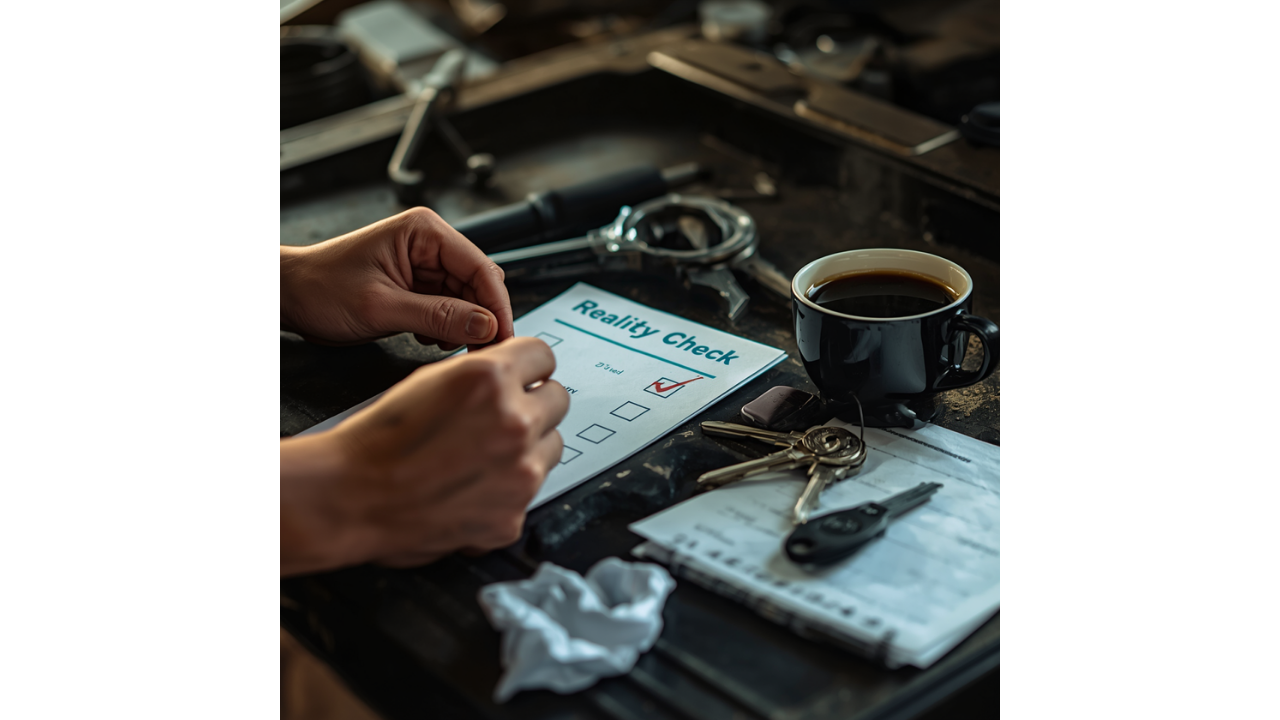
Fear Is Costing Your Shop Profit
“Our fears are always more numerous than our dangers.” — Seneca
Seneca nailed it. Most of what keeps shop owners up at night is not the actual danger. It is the movie the brain starts playing before anything has really happened.
Shop owners know this movie well.
“What if the tech quits?”
“What if customers stop coming?”
“What if raising prices kills car count?”
“What if that bad review ruins the business?”
Fear is loud. Danger is usually quieter and more specific.
The problem is not that fear exists. Fear can protect a business owner. The problem starts when fear gets the steering wheel.
This week’s story is about a shop owner who almost made a bad business decision because he confused fear with facts.
The lesson is simple: do not manage a shop by panic. Manage it by proof.
When Fear Starts Running the Shop
A European repair shop owner called after a rough week.
Not a disaster week. Just one of those weeks that feels like one.
There were two slow mornings. One comeback on a BMW cooling system job. A good technician seemed quieter than normal. Parts delays pushed two tickets into the next week. Then a customer left a cranky review about price.
By Thursday, the owner was ready to hit the panic button.
He said he thought the shop needed to drop its labor rate.
That was fear talking.
His brain had connected every dot into one scary picture: customers were leaving, prices were too high, the team was unhappy, and the business was in trouble.
But when the facts were reviewed, the picture changed.
The shop’s car count was only down 4% compared to the same month last year. Not great, but not a cliff.
Average repair order was up $87.
Gross profit on labor was strong.
The comeback was annoying, but it was one job out of dozens.
The quiet technician was not quitting. He was dealing with a sick kid at home.
The bad review hurt, but three happy customers had also left positive reviews that same week.
The parts delay was real, but it was not a pricing problem. It was a scheduling and communication problem.
The danger was not, “The shop is failing.”
The danger was much smaller and much more fixable.
Two slow mornings needed better follow-up.
One comeback needed a cleaner quality-control step.
Parts delays needed earlier customer updates.
The owner needed to stop reading one bad review like it was a financial statement.
So the numbers were checked.
If the shop dropped its labor rate by $15 per hour and billed 300 hours a month, that would be $4,500 gone every month.
That is $54,000 a year.
All because of a fear that had not been proven.
That money could pay for training, tools, bonuses, marketing, better software, or a stronger team. Instead, it almost got handed away because the owner felt pressure.
Once fear was separated from danger, the answer changed.
The shop did not drop its rate.
The owner made three moves instead.
He called declined work from the last 30 days.
He added a final quality check before vehicle delivery.
He sent proactive text updates when parts delays hit.
Within two weeks, the schedule looked normal again.
Nothing magical happened. No guru trick. No massive campaign.
He simply stopped treating fear like a forecast.
That is the trap for owners. The brain is built to spot threats, but it is not always built to measure them correctly.
A slow day feels like a trend.
A bad review feels like a brand crisis.
A quiet employee feels like a resignation letter.
A price objection feels like proof the shop charges too much.
Sometimes those things are real signals.
Often, they are just smoke.
The job is to check for fire before rebuilding the building.
Facts Beat Fear
Fear is useful when it makes an owner check the facts.
Fear gets expensive when it makes an owner skip the facts.
Here is a simple five-minute rule for shop owners: before making a decision out of stress, write down the fear, then write down the proof.
First, name the fear.
Say it plainly.
“I am afraid raising prices will scare customers away.”
Good. Now it is on paper instead of bouncing around in someone’s head.
Second, find the actual danger.
Ask what the real risk is.
Is it lower car count? Lower close rate? Fewer reviews? Higher employee turnover? Be specific.
Third, pull one number.
Do not guess.
Check car count, average repair order, billed hours, gross profit percentage, declined work, comeback rate, or reviews.
One number beats 20 opinions.
Fourth, choose the smallest smart move.
Do not overhaul the entire shop because of one rough week.
Make the next useful move.
Call 10 declined estimates.
Review three inspections.
Coach one advisor script.
Fix one handoff.
Fifth, set a review date.
Give the move time to work.
Check results in 7, 14, or 30 days.
Fear wants instant action.
Leadership uses measured action.
Here is the decision rule: if the fear cannot be tied to a number, a pattern, or a repeated customer or team issue, do not make a major decision from it.
Pause.
Check.
Then act.
That is how owners stay calm without getting passive.
Want help making stronger decisions with better numbers, better systems, and less panic? Join Go Fuel Coaching at gofuelcoaching.com.
If you’re tired of feeling like your business is running you instead of the other way around…
👉 Book your free strategy call here — together, we’ll uncover the simple shifts that can take your business from good to exceptional.